
Pilot Results: Elephant Health Nigeria, AI-powered malaria case management
Read the report
This report was written by Elephant Healthcare and originally published on their website at the link above - the below is an excerpt focused on the results enabled by use of HealthPulse AI’s computer vision service.
How ElephantNudge works to address these challenges
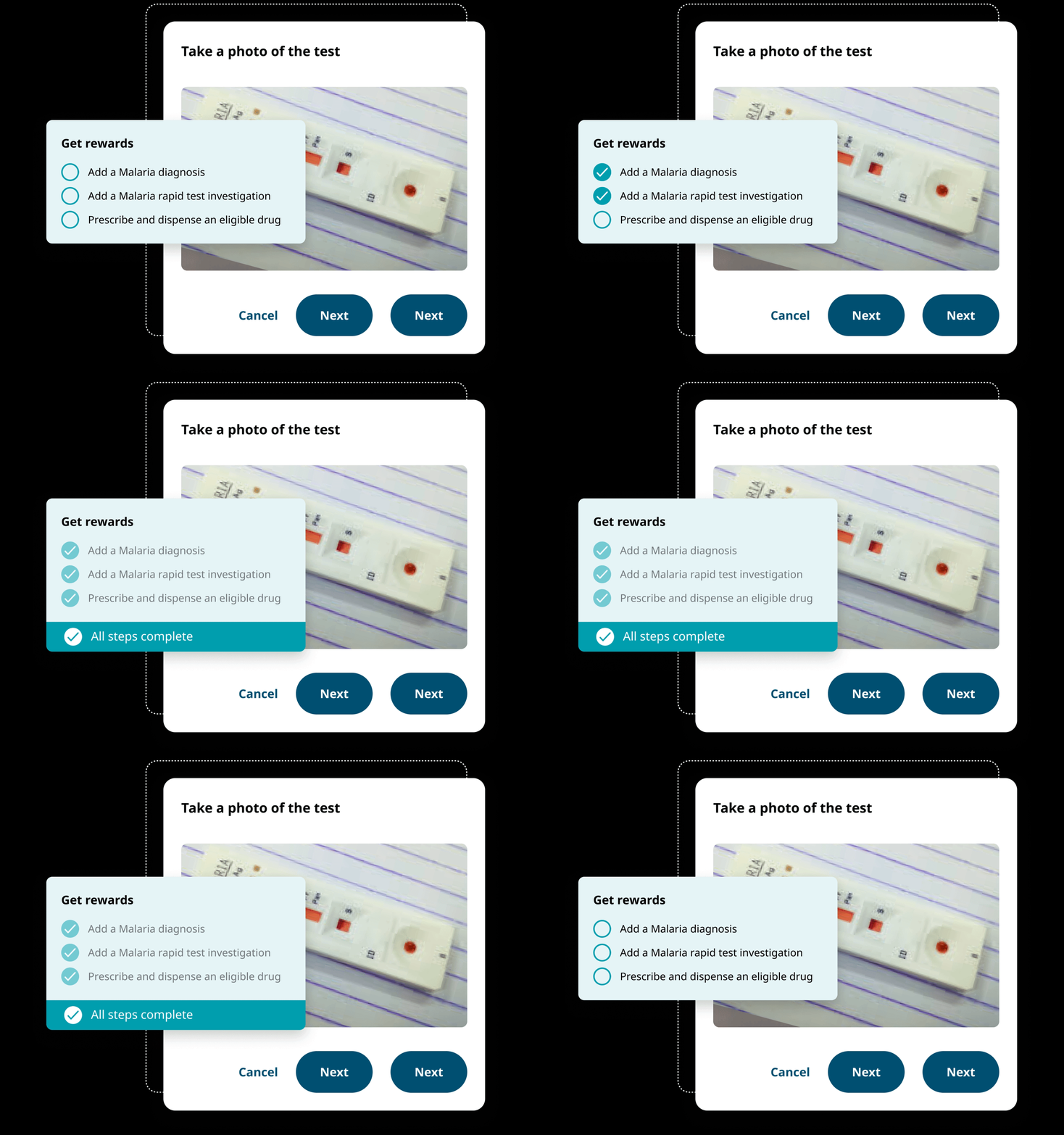
Elephant Nudge: enabling clinicians to capture mRDTs for AI validation
This initial version of Nudge was integrated with ElephantOS, our lightweight EHR. It used highly targeted nudges to guide, influence and support clinicians to adhere to clinical guidelines:
ElephantOS nudged clinicians to test patients with suspected malaria
Clinicians took photo of test result (sent to Audere’s AI)
If the test was negative, clinicians were warned before prescribing ACTs
Facilities were incentivised through targeted pay-for-performance subsidies for each completed checklist
When prescribing, the tool also indicated which prescriptions were considered best practice. The medications covered were WHO-recommended treatments, guaranteeing patients access to the most critical and effective malaria fever care.
Improving accuracy of diagnosis with Audere's HealthPulse AI
For this intervention, we partnered with Audere to incorporate their HealthPulse™ AI solution, to deliver instantaneous AI-validated rapid diagnostic testing integrated into clinicians workflow. The aim was to improve accuracy of diagnosis and data quality, confirmed through AI-powered interpretations of rapid tests.
The results showed significant improvements in quality of care:
After 5 weeks of the Nudge + Audere AI intervention, we achieved the following impact, indicating a clear improvement in adherence to clinical guidelines for testing and prescribing:
The results are compared with baseline data from the Elephant EHR in the 3 months prior to the study:
1) 48% increase in testing rates
2) 16% decrease in antibiotics prescribed to suspected malaria cases
3) 10% decrease in anti-malarials despite negative test result
4) 10% decrease in patient out-of-pocket expenditure (OOPE) across the full visit
5) By increasing testing, diagnoses and surveillance of other febrile conditions increased
These strong results lay the groundwork for future larger scale deployments.